We are successful Non-Governmental Organisation with Experiences and Coverage in various areas like Economic Empowerment of Youth and Women Groups, Food Security with Agribusiness and Irrigation components, Education quality and School Feeding, Environmental, Infrastructure and Habitat, Security and De-radicalization, General Development and humanitarian program implementation.
We seek to entrench a culture of accountability and transparency in project grants flow, implementation, monitoring and end-term evaluations.
Mission
To foster growth and development in communities through socio-economic empowerment, gender adherences and promotions, humanitarian interventions through early warning systems deployment to mitigate natural and environmental disasters, food security crises from hunger and famine, preventable diseases, to promote health, maternal child health and nutrition, all by: setting pace in the adoption of SDGs conceptualized to African situation, through developing societal Behavioural Change Communication (BCC) strategy and PHC services offering scientific alternatives to Harmful Traditional Practices (HTP) affecting their health, agribusiness, peasant farmer-centric, pastoralist, youth friendly initiatives, GBVR, MCH, governance and human rights, and general economic empowerment drives.
Vision
To see a beneficiary community of our programs and stakeholder initiatives lead positive and sustainable lives where children, women, youth, peasant farmers, pastoralists, pupils, orphans, the vulnerable, the elderly, and all other interest groups have hopeful, productive, and sustainable lives and exhibit resilience.
Services
Our main goal is to upscale community development through reduction, management and mitigation of disasters, maternal-child morbidity and mortality, harnessed youth empowerment, security through providing alternatives to de-radicalized youth, governance and human rights, food security through irrigation and agribusiness and environmental conservation with natural resource facets.
Nutrition and Food Security
Sub-Saharan food and nutrition situation is espoused in the various countries’ Food Security Plans and Nutrition Security Policy (FNSP) developed Food and Nutrition Security Strategy (FNSS) identifies key priority areas which if implemented would greatly contribute to realization of optimal nutrition in Kenya. the Nutrition Action Plans for individual horn of Africa nations are based on these blueprints, conducted nutrition situation analysis and proposals from extensive consultations with nutrition stakeholders. That informed the development of strategic objectives and corresponding intervention activities.
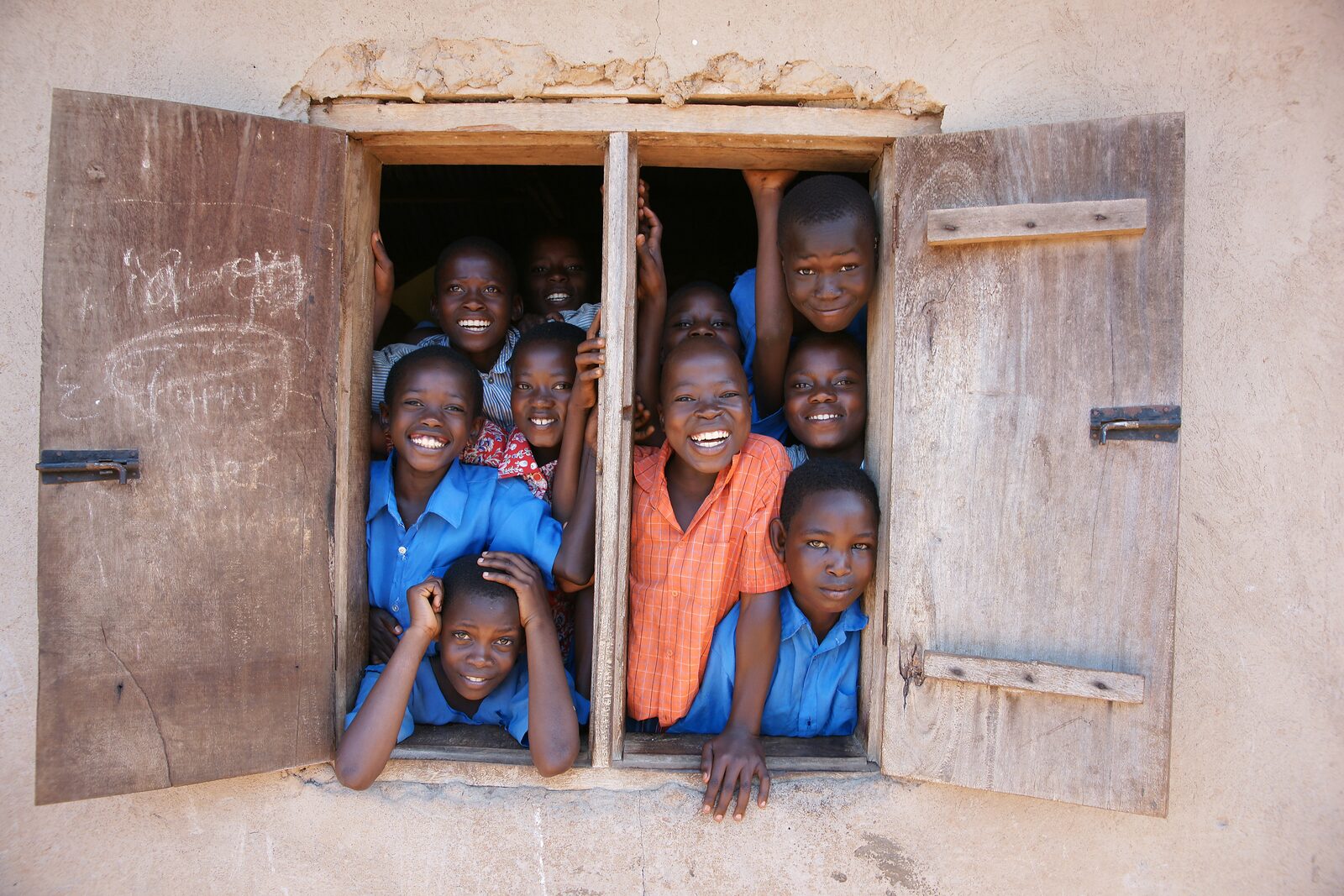
EPS KENYA has observed that hunger and famine in the Horn of Africa have led to observed low school attendance and even enrolment as nomadic communities and those living in vast ASALs weigh hunger vis a vis educational options for their hungry children. Improved nutrition in schools and other institutions is expected to contribute to the overall national efforts of promoting optimal nutrition. The activities proposed for action include; conducting a situation analysis on school/ institutional feeding and reviewing existing guidelines for school/institutional feeding to promote adequate nutrition.
The governance structures set up in Africa are experimented by a series of civil uprisings and observed to have been weak. The EPS KENYA related governance programs have the intended interventions are to alleviate extensive human suffering brought about by way of violation within the borders of each sovereign state in coverage area (SSA). Such human rights deprivation leads to suffering which tends to be the result of a government instigating, facilitating, or ignoring the abuse of groups falling within its geographical and administrative jurisdiction. This abuse often takes the form of deliberate and systematic violations of human rights, including forced expulsions, ethnic cleansing, and, in the most extreme cases, genocide. consequently, the EPS KENYA humanitarian interventions can apply also in situations where there is no effective government like civil crises castigated by a failed coup and civil order consequently has collapsed.
EPS KENYA views and undertakes agribusiness as the farming, management, production, and marketing of agricultural produce, from livestock to crops. The agribusiness field appertains to natural and manmade resource management, actual farming, conservation strategies and, ranching, and sales. Toward this end, EPS KENYA seeks to capacitate farmers through capital initiatives, training in skilled commercial production, market sourcing and farm management. All this is in an effort to upscale sustainable agribusiness culture that lifts communities from extreme poverty.
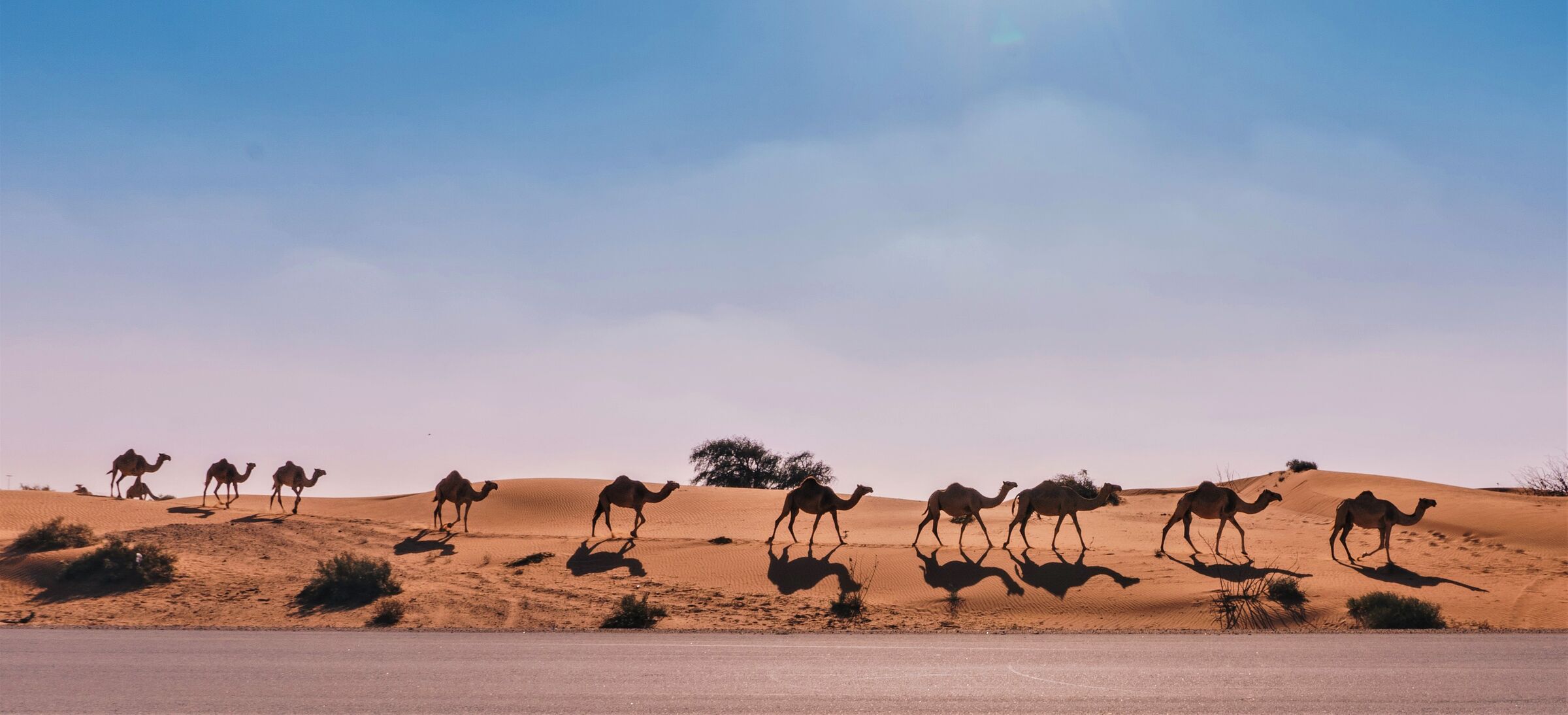
In the horn of Africa, household piped water is as rare as the resources required for such wide coverage. Water for irrigation and agribusiness is also a rare phenomenon. Water conservation includes all the policies, strategies and activities to sustainably manage the natural resource of fresh water, to protect the hydrosphere, and to meet the current and future human demand. Many ASAL counties in Kenya like Mandera have already implemented policies aimed at water conservation, with much success. Water conservation includes all the policies, strategies and activities to sustainably manage the natural resource of fresh water, to protect the hydrosphere, and to meet the current and future human demand.
KENYA programs take the concerns of the youth in the Horn of Africa seriously due to the observed human tragedy and catastrophe in certain nations like Somalia, Ethiopia, and South Sudan where the interest group concerns have at some point in the last three (3) decades been ignored. Youth empowerment is a process where children and young people are encouraged to take charge of their lives. EPS Kenya advocates for these by addressing their situation and then takes action in order to improve their access to resources and transform their consciousness through their beliefs, values, and attitudes. Providing alternatives to the de-radicalised youth from terror groups like the Al-Shabaab and child soldiers’ war lords is key in the security interventions advocated for by EPS Kenya. We take note of the Kenya Youth Empowerment Project (KYEP) that is a program which initiated in the year 2010 stakeholders namely: the World Bank to support the Government of Kenya in an effort to improve Kenyan youth employability with milestones in Kenya already marked. This program is implemented together with the Kenya Private Sector Alliance (KEPS KENYAA). This is an African model for emulation advocated for by EPS Kenya.
Both ECD and primary education influence the academic, mental and psychological formation of the youth and the skilled, semi-skilled and unskilled workforce in the African continent. The transition rates to secondary education is way below 50% in most Sub Saharan economies. This leads to indulging in what is perceived as grown-up activities prematurely, key among these: irresponsible catastrophic sex, child labour, crime, creative ways of subverting the laws existing in their countries. In retrospect, furtherance of their education onslaughts give them capacity to better their lives, those of their families, reduce dependence ratio, scale down adverse impacts of low transition to higher levels mentioned above, and have knowledgeable life choices for quality living.
Security and Youth profiling on extremism eradication
Extremism eradication is a major call for security stabilization in the Horn of Africa region. It targets the youth majority in the population. Over 70% of Kenya’s population is less than 30 years of age. There is high sense of disenfranchisement for the bulging youth demographic resulting from unemployment and limited livelihood choices and social and political marginalization. Working together with partners like the UNDP, who notes that the impact and cost of insecurity resulting from violent extremism is enormous and is a risk to Africa’s development agenda, we intend to sustain our Youth friendly initiatives and support for youth friendly alternate economic activities. EPS Kenya reckons with what UNDP says that the radicalization and violent extremist phenomena are disproportionately impacting youth and women from marginalized areas. Organized radicalized groups in the region have successfully capitalized the perceived or real economic deprivation, marginalization, poor governance, land issues, and poverty to radicalize and recruit the bulging youth population into violent extremist and terrorist acts. UNDP interventions target the epicenter, spillover and at-risk communities where both the youth and women are at risk of both radicalization and being victims of violent extremist acts. These communities include: The Northern Kenya border regions (Garissa, Mandera, Marsabit, and Wajir); the Coastline border region of Kenya (Kilifi, Kwale, Tana River, Lamu, Mombasa) and parts of Nairobi and Isiolo Counties.
Gender-based interventions or gender mainstreaming is the public policy concept of assessing the different implications for women and men of any planned policy action, including legislation and programmes, in all areas and levels. Mainstreaming essentially offers a pluralistic approach that values the diversity among both men and women. Gender mainstreaming basically allows a hitherto patriarchal society to begin and sustain the entrenchment of gender conscious programs for all from childhood to old age.